The EU Deforestation Regulation applies to small operators from June 2026. If your leather goods contain bovine hide — bags, wallets, belts, accessories — your supply chain must meet three specific requirements before you sell into the EU or UK market.
Most brands sourcing from China cannot meet all three. Most sourcing agents cannot help them get there. India can — but only if the right supply infrastructure sits behind the relationship.
What EUDR Actually Requires from Leather Brands
EUDR is not a general sustainability pledge. It asks for three specific, documented things.
1. Deforestation-Free Hide Origin
The hide in your finished product must be traceable to a source that does not contribute to deforestation. This is not about your factory. It is about the tannery that processed the hide and the region where the cattle were raised.
South American bovine hide chains — the primary input for most Chinese tanneries — carry elevated deforestation risk under EUDR classification. India's domestic bovine hide supply chain operates in a fundamentally different context.
India's cattle population is driven by dairy and draught use, not beef production. The hides are a by-product of an existing agricultural system — not a driver of land clearing. India's domestic supply chain carries materially lower EUDR deforestation risk as a structural consequence.
2. Country-of-Production Legal Compliance
EUDR requires that production happens in accordance with the laws of the country of production. This covers labour rights, human rights, environmental standards, and forest protection.
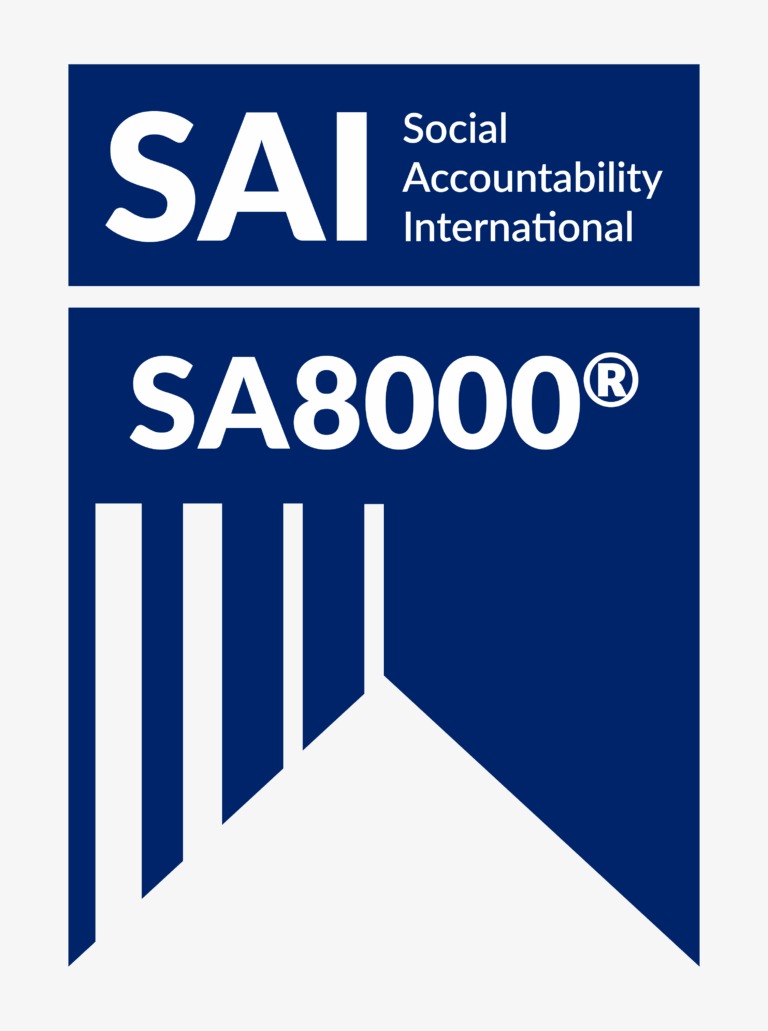
SA8000 and SEDEX SMETA 4-Pillar certification are the internationally recognised frameworks that document this compliance for manufacturing facilities. India's established tannery clusters in Chennai and Kolkata include multiple SA8000 and SEDEX-certified facilities. This is audited, documented compliance — not a self-declaration.
3. Due Diligence Statement
This is where most brands stall. A Due Diligence Statement is not a form you fill in. It is an assembled package of documentation: hide origin records, tannery certification, factory audit certificates, and production-run traceability.
Someone has to assemble it, verify it, and hand it to your freight forwarder at the point of export. A sourcing agent does not do this. They forward documents from the factory. The brand takes responsibility for verifying them.
Why India's Supply Infrastructure Is Built for This
The Calcutta Leather Complex in West Bengal and the Ambur-Chennai corridor in Tamil Nadu together hold more than ten LWG-certified tanneries, including multiple LWG Gold holders.
LWG — the Leather Working Group — runs the most rigorous tannery-level environmental and material traceability audit in the leather industry. An LWG-certified tannery has documented and audited material flows. It can produce the hide origin records EUDR requires.
This is not a new development. These clusters have been supplying European fashion brands to European quality and compliance standards for forty years. EUDR is a new framework. The supply infrastructure to meet it already exists in India.
| EUDR Requirement | India Certification That Answers It |
|---|---|
| Deforestation-free hide origin | LWG-certified tannery with audited material flows |
| Country-of-production legal compliance | SA8000 / SEDEX SMETA 4-Pillar factory audit |
| Due Diligence Statement assembly | Managed partner with embedded documentation process |
Why a Sourcing Agent Cannot Solve This for You
A sourcing agent introduces a brand to a factory. Their contractual accountability ends at introduction. They do not own the production process. They do not own the QC outcome. They do not own the documentation package.
When EUDR documentation is incomplete or incorrect, the sourcing agent's exposure is limited. Yours is not. The EU fines and market-access blocks sit with the brand.
There is a specific failure mode here. A sourcing agent forwards a factory's self-issued EUDR documentation without independently verifying the hide origin chain. The document looks complete. The Due Diligence Statement is signed. The shipment is cleared. Three months later, an EU customs authority flags a traceability gap. The brand is liable.
This is not a hypothetical. It is the structural consequence of a model where accountability stops at introduction.
What Managed Manufacturing Delivers for EUDR
When a managed manufacturing partner is embedded in production, compliance documentation is built into the process — not retrofitted at the point of export.
KRITIKAAL's process for every production run:
Specification locking: Production brief confirms LWG-certified tannery and SA8000-certified factory before any cutting begins
Material confirmation: Leather is checked against the approved golden sample at the start of each run — tannery origin verified at this stage
In-process QC: Stitching, edge finishing, and construction inspected during production — not after
AQL 2.5 final inspection: Eight criteria evaluated before any shipment is released
Due Diligence Statement assembly: Hide origin records, tannery LWG certificate, factory SA8000 and SEDEX audit, and production-run traceability records compiled and handed to the freight forwarder as a complete package
The Timeline Brands Need to Know
The deadlines are fixed. The preparation is not.
Now: Confirm your tannery is LWG-certified and your factory holds SA8000 or SEDEX SMETA. If you cannot confirm this within 48 hours of asking your current supply contact, you have a documentation gap.
Eight weeks out: Due Diligence Statement documentation must be ready at the production-run level — not just at company level.
June 2026: EUDR applies to small operators. Market access is the consequence, not a fine. You either have the documentation or you cannot sell.
Frequently Asked Questions
What is EUDR and when does it apply to leather brands?
The EU Deforestation Regulation (EUDR) applies to small operators from June 2026. Any leather goods containing bovine hide sold in the EU or UK market must meet three specific requirements: deforestation-free hide origin, country-of-production legal compliance, and a complete Due Diligence Statement.
Why does India's leather supply chain carry lower EUDR risk than China?
India's cattle population is driven by dairy and draught use, not beef production. The hides are a by-product of an existing agricultural system — not a driver of land clearing. South American bovine hide chains used by most Chinese tanneries carry elevated deforestation risk under EUDR classification.
What is an EUDR Due Diligence Statement?
A Due Diligence Statement is an assembled package of documentation: hide origin records, tannery certification, factory audit certificates, and production-run traceability. KRITIKAAL assembles this complete package for every EU-bound production run.
What is LWG certification and why does it matter for EUDR?
LWG — the Leather Working Group — runs the most rigorous tannery-level environmental and material traceability audit in the leather industry. An LWG-certified tannery has documented and audited material flows that can produce the hide origin records EUDR requires.
Tags
About the Author
Yossi Daniel
Founder & CEO, KRITIKAAL
Yossi Daniel has hands-on experience with overseas leather manufacturing since 2012, including direct production management in China — which exposed the structural accountability gap that KRITIKAAL was built to solve.